Projects
Missio Bozen - Bolzano | Italy
Promotion of Livelihood Opportunities, Addressing Nutritional Food Insecurity of Marginalized and Deprived Families, and Conventional Response to Climate Change Adaptation in Tamulpur District of Assam, North East India

The project, “Promotion of Livelihood Opportunities, Addressing Nutritional Food Insecurity of Marginalized and Deprived Families, and Conventional Response to Climate Change Adaptation” is a new initiative that GGSS executed for the rural farming families. This new initiative by GGSS in Tamulpur District aims to uplift marginalized and deprived farming communities by promoting sustainable livelihood opportunities, improving nutritional food security, and helping them adapt to climate change. Through participatory engagement, the project will support six village communities by providing hands-on training in organic farming, enhancing local agricultural practices, and fostering environmental conservation. It also emphasizes skill-building programs and introduces climate-adaptation techniques to help farmers strengthen their resilience to unpredictable weather patterns and resource scarcity. Overall, this holistic approach aims to empower rural families to secure stable incomes, maintain ecological balance, and improve their long-term well-being within the project period (1st April 2025 to 31st March 2026)
Overall Goal
The project aims to strengthen the socio-economic well-being of 442 marginalized farming households in six villages through sustainable, community-driven livelihood strategies. It promotes food and nutritional security by revitalizing traditional farming practices, conserving indigenous seeds, and supporting traditional livestock management. Through targeted training in income-generating activities, the initiative seeks to enhance household income, improve living conditions, and build long-term self-reliance among vulnerable families.
Intervention Strategies
• Participatory Planning and Context-Specific Crop Identification
The initiative begins with consultation meetings to identify suitable nutritional plants and fruit trees based on local geographical and climatic conditions.
• Household-Level Nutritional Security through Backyard Gardening
Through structured training and continuous handholding support, families are guided to develop backyard gardens using diverse saplings, and strengthened food security, improved dietary diversity, and reduced household dependency on external markets.
• Sustainable Land Use and Multi-Cropping Practices
Capacity-building programs focus on multi-cropping systems, optimal land utilization, and land development processes.
• Promotion of Organic and Eco-Friendly Agricultural Practices
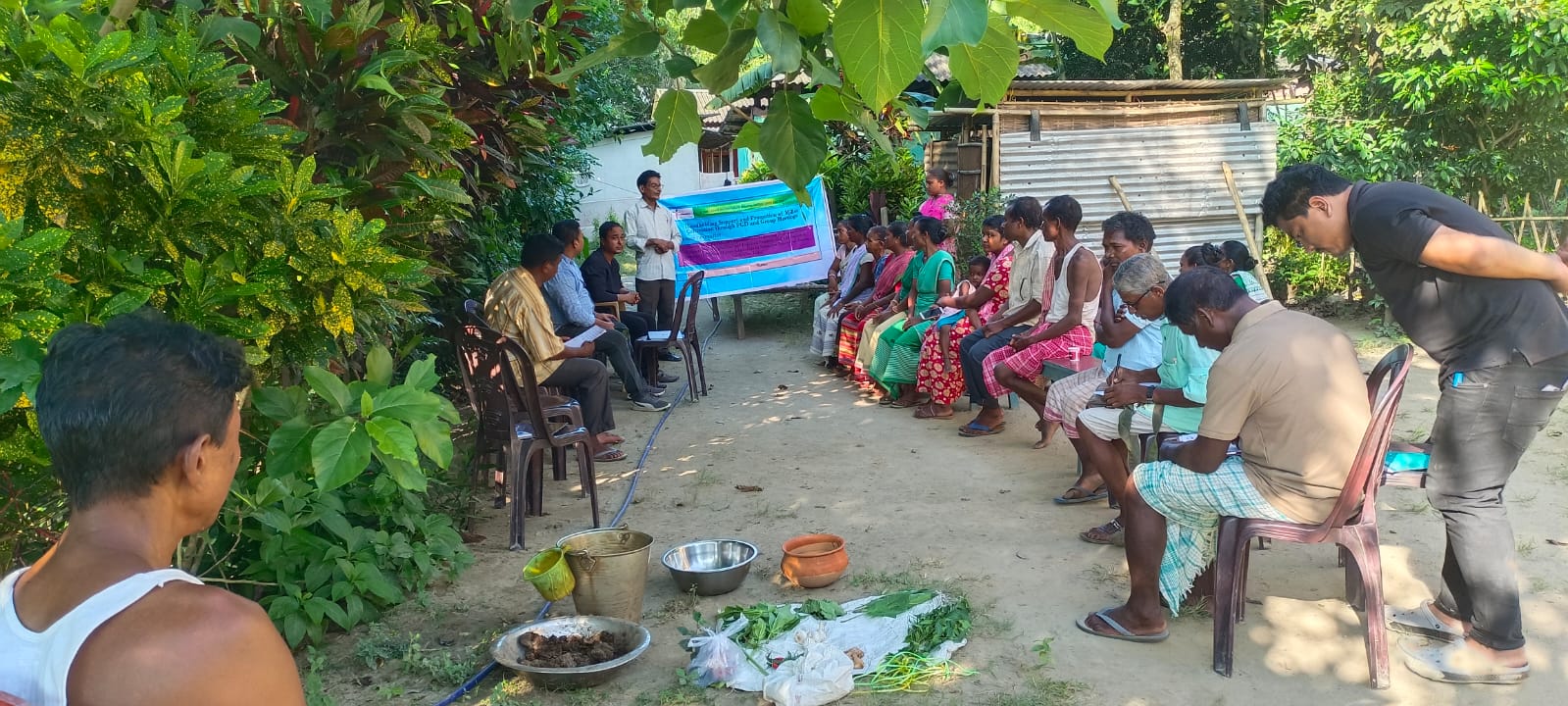
Farmers receive training and ongoing support in composting organic manure, preparing bio-pest repellents, practicing organic and traditional farming methods
• Promotion of Millet Cultivation through Collective Engagement
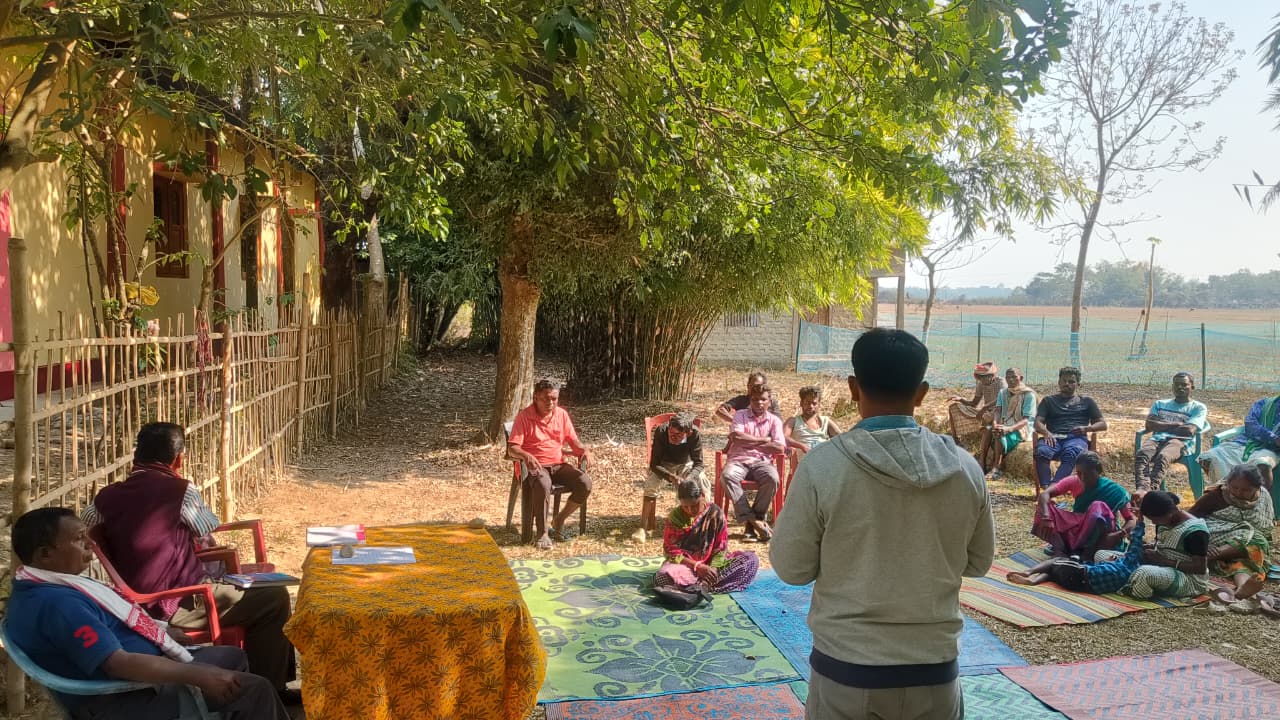
Through Focused Group Discussions (FGDs) and group meetings, millet cultivation is promoted as a nutritious and low-input crop.
• Livelihood Diversification through Allied Activities
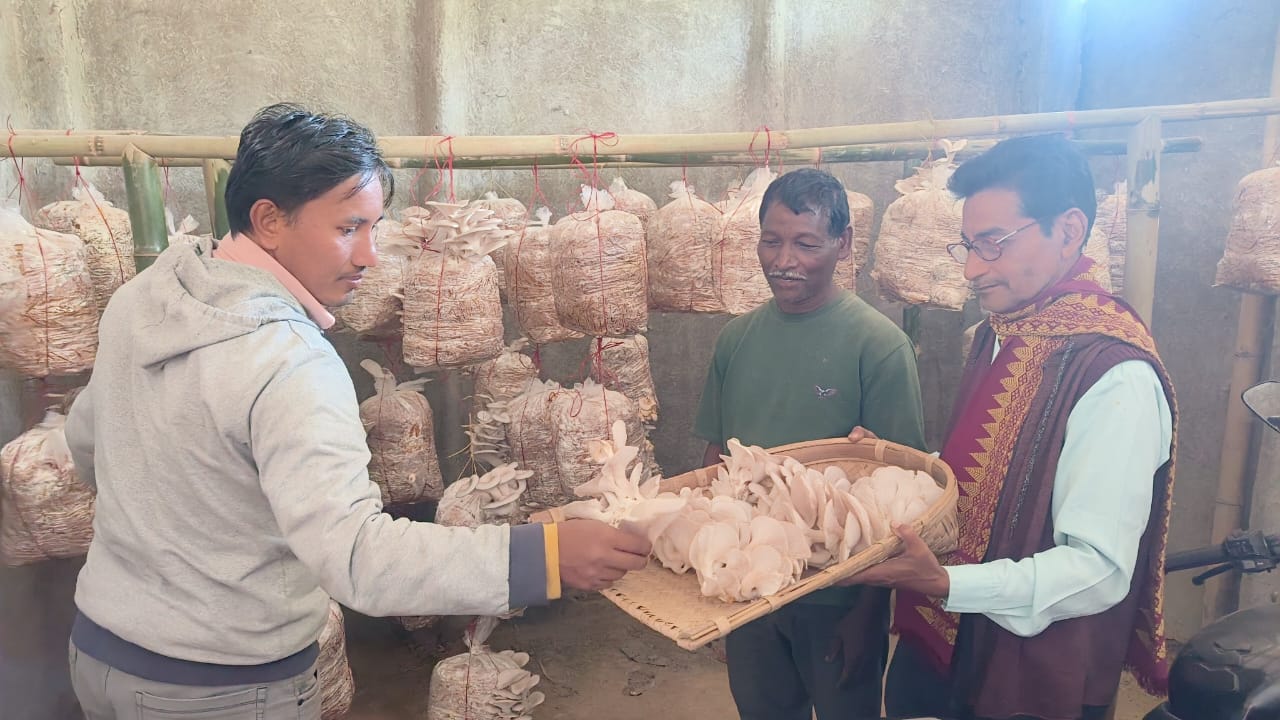
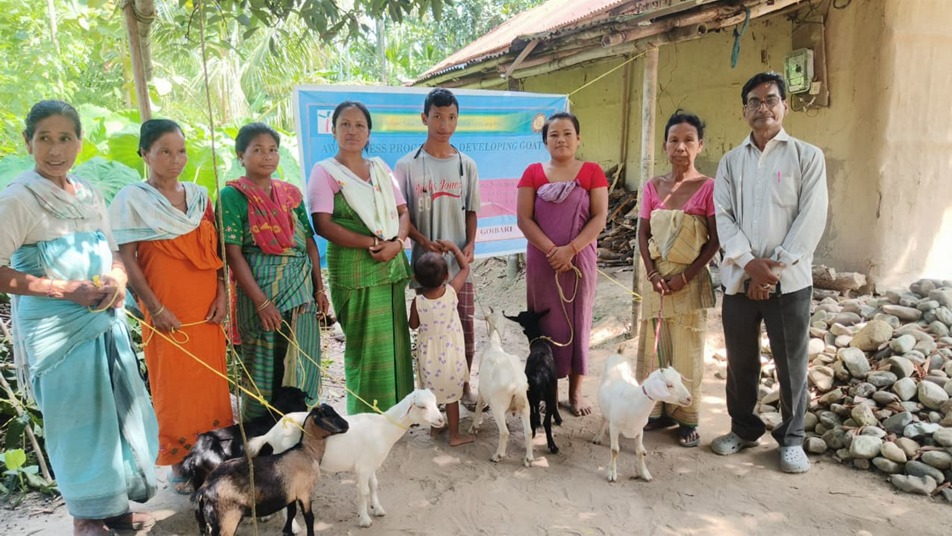
To enhance income security and reduce vulnerability, farmers are trained and supported in goat farming and mushroom cultivation.
This project intervention aims to bring a stable socio-economic well-being of the targeted farming households by empowering them through various skill trainings and well-informed farming practices.